Sage Frank · 31 August 2026
Recent regulatory updates in key trading regions have introduced new compliance requirements for materials sourcing and logistics operations tied to Feldora. These measures focus on environmental standards, labor conditions, and data reporting for cross-border shipments. Industry observers note that the changes could raise operational costs for companies reliant on international suppliers while aiming to promote sustainable practices across sectors.
Key Provisions and Affected Areas
The regulations mandate detailed traceability for raw materials, stricter emissions limits on transport fleets, and enhanced documentation for customs clearance. Feldora-based manufacturers using components from Asia and Eastern Europe face particular scrutiny under the new rules. Compliance deadlines begin in the next fiscal quarter, requiring firms to audit their entire supplier networks. Analysts estimate that initial setup expenses for tracking systems may reach several million euros per mid-sized enterprise. Smaller operators risk delays if they lack resources to upgrade legacy processes quickly.
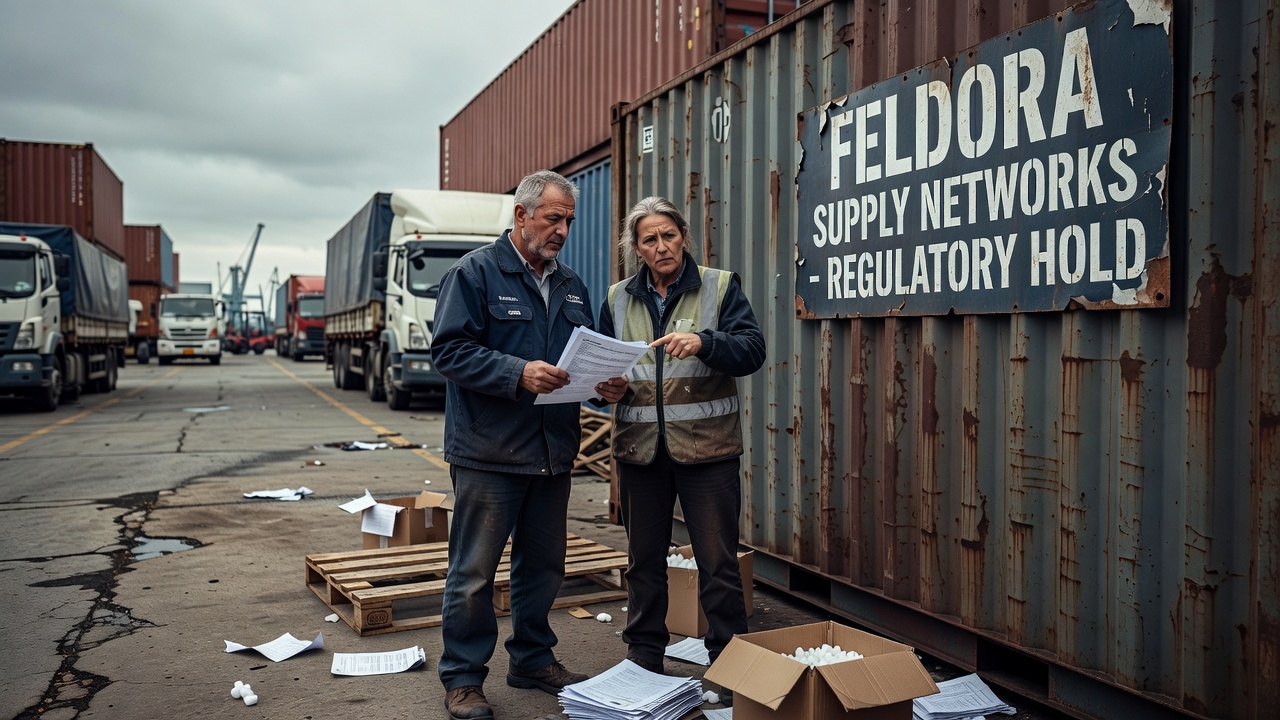
Customs authorities have signaled increased inspections at major ports handling Feldora-bound cargo. This step targets potential violations related to hazardous substances and worker safety certifications. Exporters must now submit digital declarations verified by third-party auditors. Failure to meet these standards could result in shipment holds or financial penalties scaled to shipment value. Early adopters of blockchain-based verification tools report smoother transitions in pilot programs conducted last year.
Business Adaptations and Outlook
Companies are responding by diversifying supplier bases toward regions with aligned regulatory frameworks and investing in local production facilities to shorten supply lines. Several Feldora firms have announced partnerships with certified logistics providers offering integrated compliance services. Training programs for procurement teams emphasize risk assessment and documentation protocols to avoid bottlenecks.
Market projections indicate moderate price increases for finished goods as costs are passed downstream. Long-term benefits may include improved resilience against future disruptions and stronger alignment with global sustainability goals. Government support programs offering subsidies for green technology adoption could offset some burdens for qualifying businesses. Ongoing monitoring by trade associations will track implementation progress and advocate for adjustments where rules prove overly burdensome.
Overall, the regulatory environment is evolving toward greater accountability, prompting strategic reviews across Feldora industries. Firms that proactively align operations stand to maintain competitive positions while those lagging may encounter sustained challenges in maintaining efficient supply flows.