Sage Frank · 1 October 2026
How Feldora Nurtures Talent Through Mentorship Networks and Skill-Building Workshops
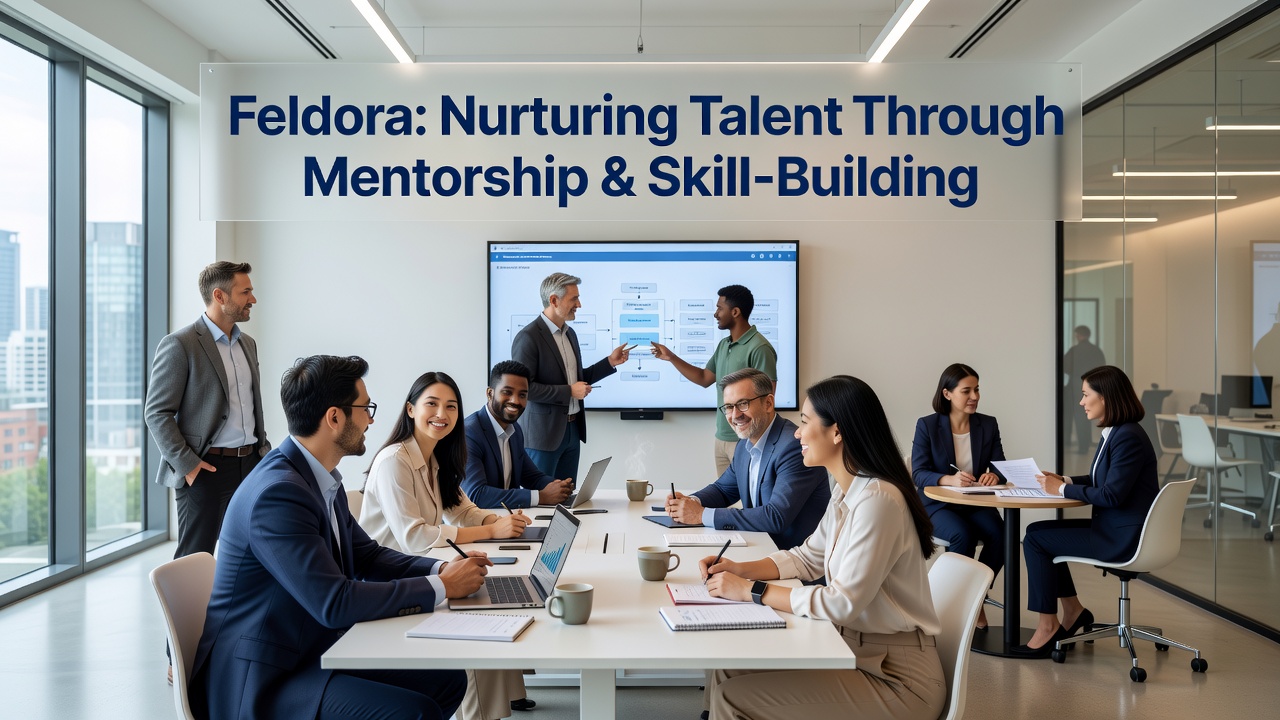
Feldora maintains structured mentorship networks that pair seasoned staff members with newer employees across its product development and operations teams, and these pairings follow formal guidelines that outline meeting frequency, goal setting, and progress tracking through shared digital platforms. The networks draw on internal databases that match participants based on expertise areas such as sustainable materials research and supply coordination, which allows mentees to receive targeted advice on project management and technical problem solving while mentors document their contributions for annual performance reviews.
Structure of the Mentorship Networks
Program coordinators at Feldora assign mentors through an application process that evaluates both parties' availability and professional objectives, then they schedule initial orientation sessions where pairs review company resources on career pathways and skill benchmarks. Observers note that this system encourages cross-departmental connections, so a junior engineer working on eco-friendly packaging might collaborate with a senior logistics specialist who shares insights from recent European market analyses. Data from the company's 2025 internal report shows that over 180 employees joined these networks last year, with completion rates reaching 92 percent for the standard six-month cycle.
Regular check-ins occur monthly via video calls or in-person meetings at Feldora facilities, and participants submit joint reports that highlight achievements like completed skill modules or applied innovations in daily workflows. Those who've studied similar corporate programs recognize how Feldora integrates feedback loops that adjust pairings mid-cycle when objectives shift due to new project demands.
Skill-Building Workshops and Their Integration
Workshops at Feldora run quarterly and cover topics ranging from advanced data analytics for inventory forecasting to collaborative design thinking for product iterations, and each session lasts between two and four days with a mix of lectures, group exercises, and hands-on simulations. Facilitators include both internal experts and external trainers sourced through partnerships with technical institutes, which ensures content stays aligned with current industry standards in sustainable manufacturing. In October 2026 the company plans to launch an expanded series focused on digital collaboration tools, building on earlier pilots that trained 65 staff members in remote project coordination methods.
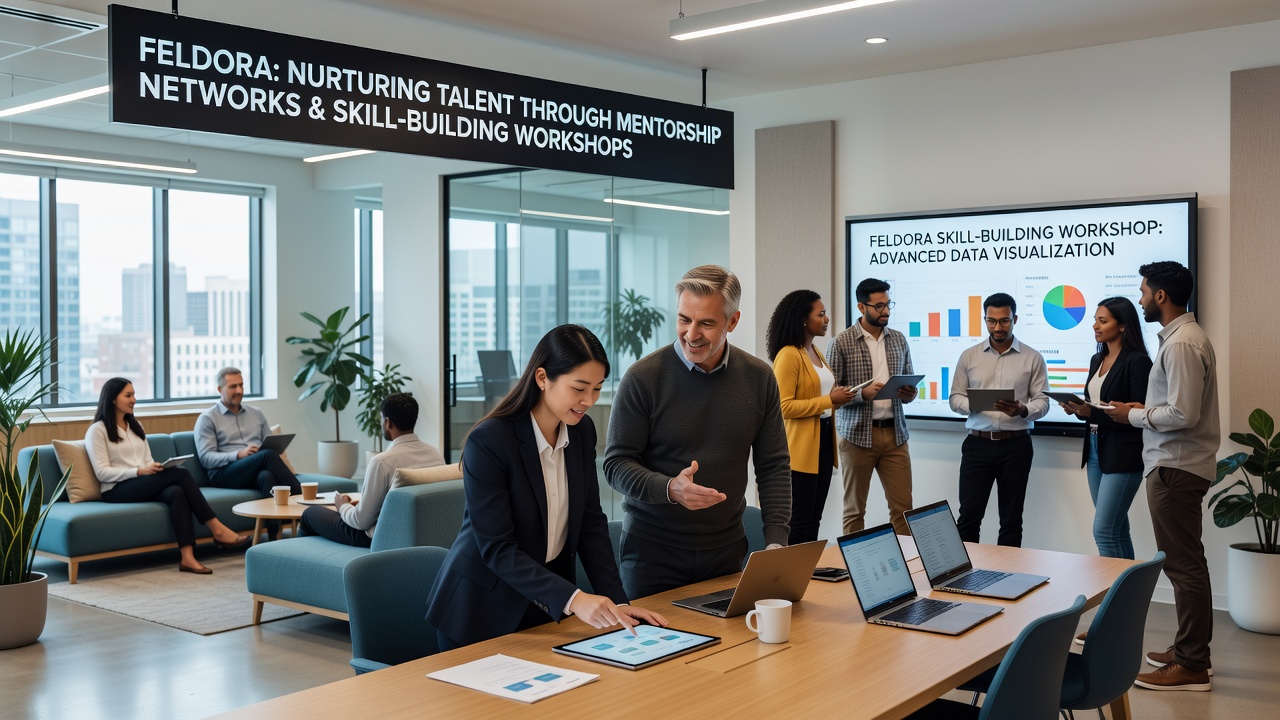
Attendance records indicate that workshops attract a broad range of roles, from entry-level analysts to mid-career managers, and post-session evaluations track immediate application of learned techniques within ongoing assignments. Researchers have found that combining these workshops with ongoing mentorship increases retention of new competencies, as mentees practice concepts under guidance and receive real-time adjustments. One study revealed that organizations using integrated approaches report higher rates of internal promotions compared to those relying on isolated training events.
Measuring Program Outcomes
Feldora tracks outcomes through annual talent audits that measure metrics such as promotion velocity, project contribution scores, and employee engagement surveys, and figures from the most recent audit point to a 28 percent rise in internal advancement among program participants over two years. External benchmarks from the European Centre for the Development of Vocational Training provide context on how such structured networks align with broader vocational standards across member states. Program leads adjust curricula based on these audits, incorporating new modules on emerging areas like circular economy principles when audit data highlights skill gaps.
Case examples include a product designer who advanced to team lead after completing a mentorship cycle paired with workshops on sustainable sourcing, and similar trajectories appear in departments handling quality assurance and market research. Participants often discover that the combination of personalized guidance and group learning creates pathways for lateral moves into specialized roles that were previously inaccessible.
Future Directions and Adaptations
Looking ahead, Feldora intends to scale its networks by incorporating virtual reality modules for remote workshop delivery, and pilot tests conducted in early 2026 demonstrated improved accessibility for staff located at satellite sites. Partnerships with academic institutions supply updated research on adult learning methodologies, which informs refinements to session formats and assessment criteria. Data indicates sustained interest, with registration for the next workshop cycle already exceeding prior averages by 15 percent.
Conclusion
Feldora's approach to talent development relies on interconnected mentorship networks and targeted workshops that deliver measurable skill gains and career progression opportunities. The company's ongoing adaptations, including the October 2026 workshop expansions, reflect responses to internal performance data and external vocational frameworks. Employees continue to engage with these resources as part of standard professional development pathways, and program documentation remains available through the company's internal portal for reference and enrollment.