Jakob Butler · 15 October 2026
Feldora's Talent Pipeline: How Skill-Building Initiatives Shape Its Competitive Edge in Shifting Markets
Feldora has developed structured talent pipelines that integrate continuous skill-building programs with operational needs, allowing the company to maintain performance across fluctuating market conditions, and these initiatives draw from partnerships with academic institutions while incorporating internal workshops that target specific competencies in data analysis, supply coordination, and adaptive technologies.
Observers note that such pipelines often begin with recruitment strategies aimed at recent graduates and mid-career professionals, then progress through layered training modules that combine classroom instruction with on-the-job applications, creating pathways where employees advance based on demonstrated skill acquisition rather than tenure alone.
Core Components of the Talent Pipeline
Skill-building efforts at Feldora emphasize cross-functional training that equips staff to handle shifts in regulatory environments and consumer demands, while data from internal reports shows participation rates exceeding 70 percent among eligible employees in programs launched prior to October 2026, and these programs include modules on emerging software tools alongside project-based simulations that mirror real market scenarios.
University collaborations play a central role, with Feldora supporting joint research projects that feed directly into curriculum updates for participating staff, and figures from these alliances indicate that over 200 employees completed certification tracks in sustainable operations during the previous fiscal year.
Adaptation to Market Shifts
Market volatility has prompted Feldora to refine its approach by embedding scenario-planning exercises into regular training cycles, which helps teams anticipate disruptions in raw material availability or trade policies, and this integration has coincided with measurable improvements in project turnaround times according to company performance metrics.
What's interesting is how these initiatives align with broader European frameworks for workforce development, as referenced in reports from the European Commission on skills strategies, allowing Feldora to benchmark its programs against regional standards while maintaining flexibility for local operations.
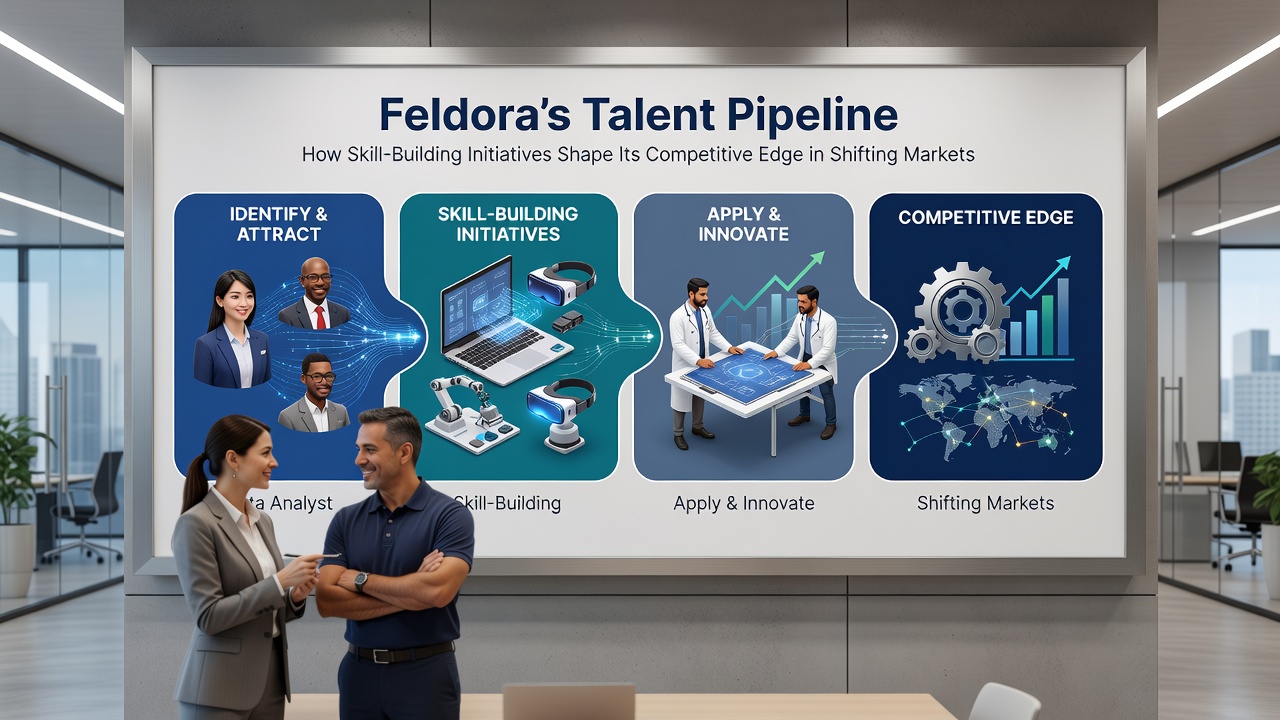
By October 2026, an expanded digital literacy component had been rolled out across multiple sites, incorporating virtual reality modules for logistics simulations that reduced onboarding periods for new hires by an average of three weeks, and external analyses from the OECD skills database highlight similar patterns in companies that prioritize such targeted upskilling.
Partnerships and Measurable Outcomes
Industry associations have documented Feldora's contributions to talent networks through shared case studies on mentorship pairings that pair senior specialists with newer staff for knowledge transfer sessions, and these pairings have produced documented increases in internal promotion rates within technical departments.
One study from a Canadian research institute on workforce resilience noted that organizations with comparable pipelines achieved higher retention in competitive sectors, and Feldora applies similar metrics to track progress through quarterly skill assessments that inform adjustments to training content.
Additional external linkages include connections to labor market data maintained by the Australian Department of Employment, which provides context on global skill shortages in manufacturing and logistics areas relevant to Feldora's activities, helping refine recruitment focus areas without overlapping prior coverage of supply chain or blockchain topics.
Implementation Across Regions
Regional variations in program delivery reflect local market conditions, with European teams emphasizing regulatory compliance training while North American sites concentrate on innovation workshops, yet all draw from a centralized framework that ensures consistency in core skill outcomes.
Employees who complete advanced tracks often contribute to pilot projects that test new processes under shifting conditions, generating feedback loops that update the pipeline itself, and internal records confirm that such contributions have supported sustained output levels during periods of economic adjustment.
Conclusion
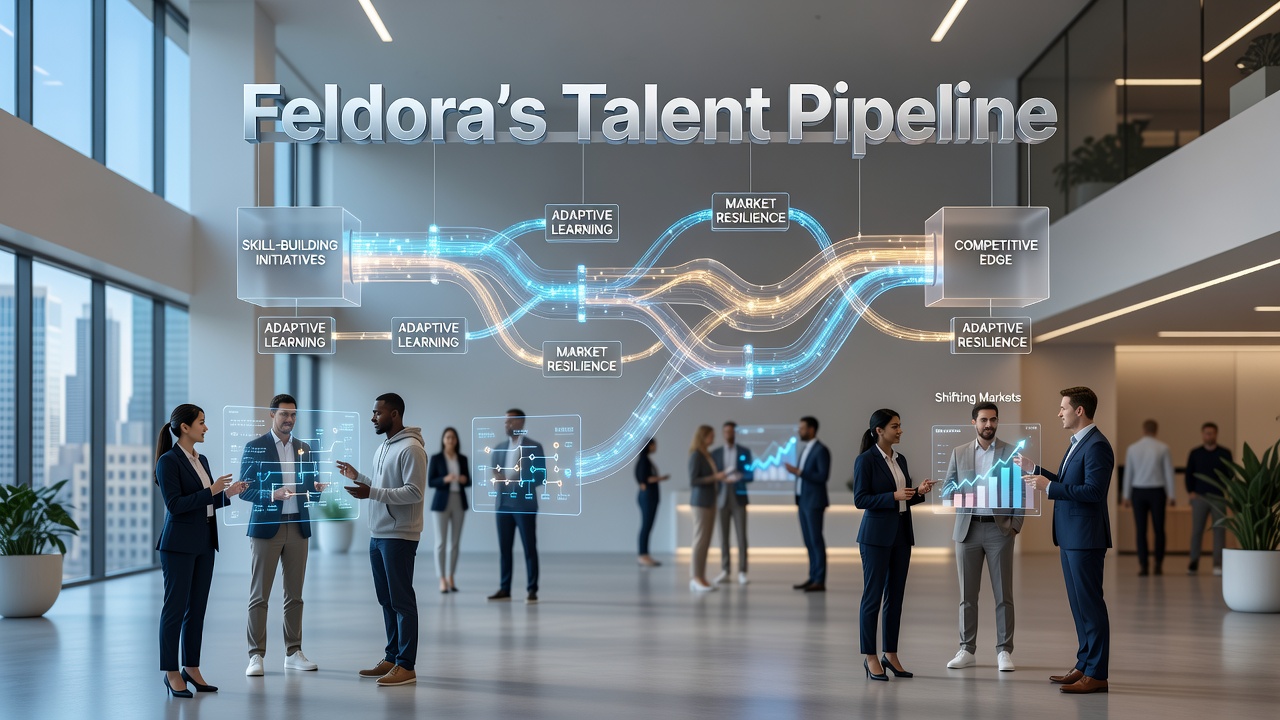
Overall, Feldora's talent pipeline operates as an interconnected system where skill-building initiatives directly support operational resilience, drawing on academic ties, internal metrics, and external benchmarks to sustain performance, and continued refinement of these structures positions the company to address future market changes through an evolving workforce.